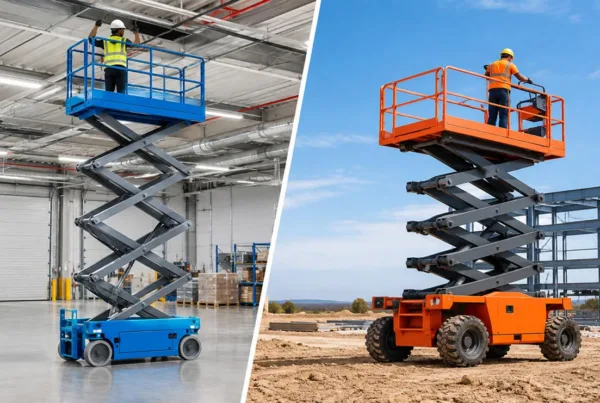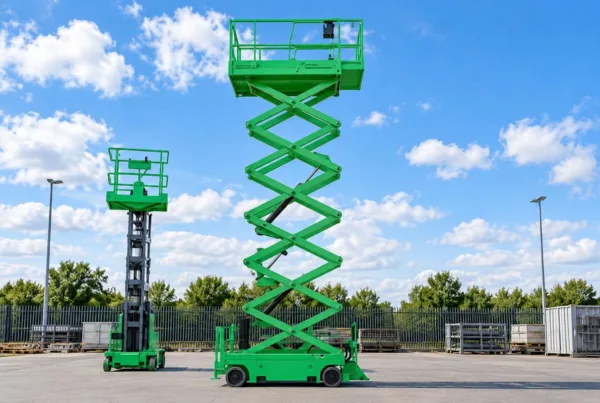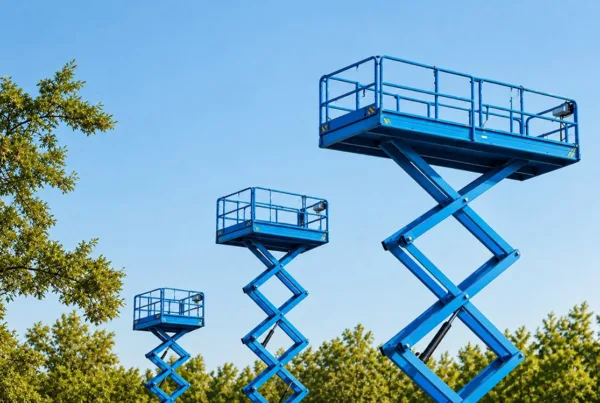
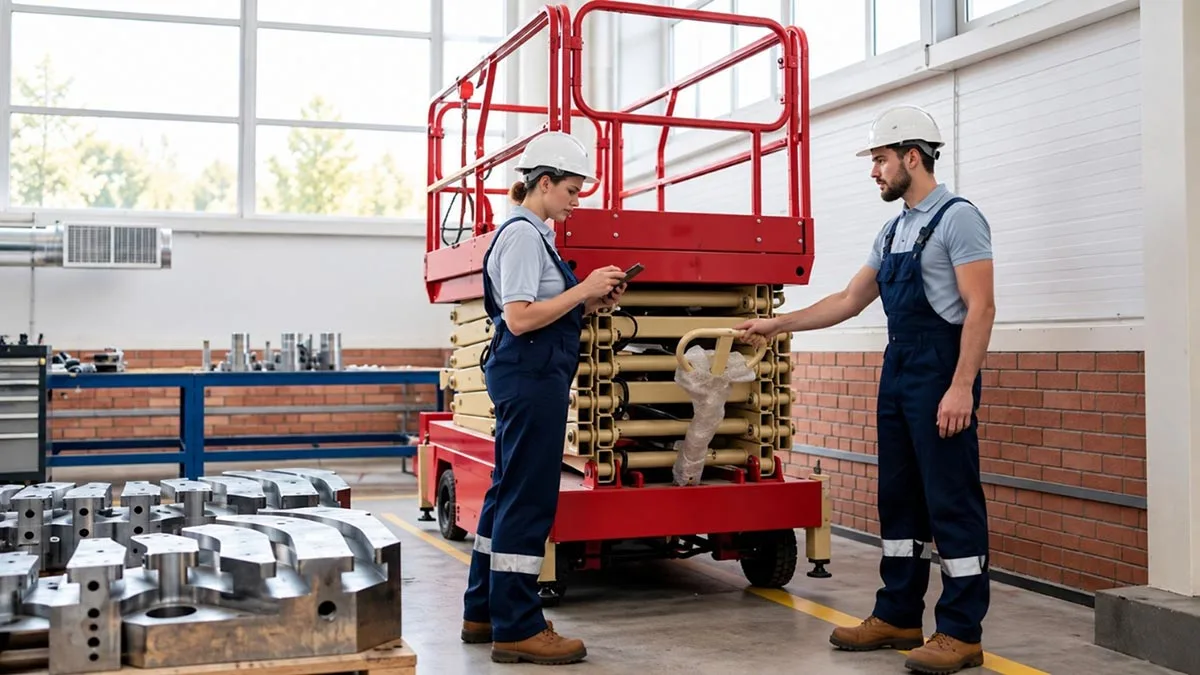
A scissor lift makes work at height faster and safer, but only when it is checked properly. At Lets Lift Hire, we have seen how a few quiet minutes before each shift can prevent serious harm. This guide gives you a clear, practical checklist for Victorian job sites. Use it to protect your crew, your project and your reputation.
Key Takeaways
- Inspect the lift before every shift.
- Check the ground, wind and overhead hazards first.
- Only trained people should operate the machine.
- Stay inside the guardrails and respect the load limit.
- Tag out any faulty lift and report it straight away.
Why Scissor Lift Safety Deserves Your Attention
Scissor lifts look simple. They go up, they come down. That simplicity can breed complacency, and complacency is costly. In 2021, WorkSafe Victoria warned that ten workers had died over a decade in incidents involving elevating work platforms. The regulator also described a 63 year old man who fell seven metres after his scissor lift rolled.
Falls remain a wider concern. A study of more than 10,000 NSW construction incidents, summarised by Master Builders ACT, ranked working at heights as the second most common cause of injury. Incidents also rose by 13.7 per cent a year on average. Earlier research in the Journal of Occupational Health and Safety pointed the same way, naming falls from height among the leading causes of construction deaths. Safety Solutions magazine also reports that falls account for 11 per cent of work related deaths nationally.
Plan the Job Before You Raise the Platform
Good safety starts on the ground. Work through these points before anyone steps on.
- Choose the right machine: Match height, load and surface to the task. The access hire range is suitable for indoor and outdoor work, and electric versus diesel scissor lifts can help you decide.
- Know your ground: Soft soil, slopes and holes cause tip overs. Knowing when a rough terrain scissor lift is the better choice is important before heading outdoors.
- Assess the risks: Note overhead beams, power lines, open edges and moving vehicles. Western Sydney University treats working at heights as high risk, with no minimum height, and requires an approved risk assessment.
- Check the forecast: Strong wind can unsettle a raised platform. Follow the limit set by the manufacturer.
- Confirm training: Every operator should be trained on the exact model they will use.
The Pre Start Inspection Checklist
Run this routine at the start of every shift. It takes minutes and can save a life.
- Walk around the machine: Look for leaks, cracks, loose bolts and damaged tyres.
- Test the guardrails: Rails, gates and mid rails must be secure and undamaged.
- Inspect the scissor stack: Check for bent arms, worn pins and hydraulic leaks.
- Try all controls: Test the ground and platform controls, plus the emergency stop.
- Test emergency lowering: The manual lowering control must work if power fails.
- Check power: Confirm the battery charge or fuel level. A flat battery at height is a poor surprise.
- Read the decals: Load limits and warnings must be clear and legible.
- Scan the surface: Look for slopes, soft patches, holes and loose debris.
If anything fails, stop. Tag the machine out and report it. Never work around a fault.
Safe Habits During Operation
WorkSafe’s standard, covered by AMSJ, was developed with Foundation for Safety Victoria. It lists common risks and the controls that reduce them. Use it alongside your site rules.
- Stay inside the guardrails: Keep both feet on the floor. Never climb rails or add ladders.
- Respect the load limit: Count people, tools and materials together.
- Watch overhead: Crush injuries happen when operators are trapped between the basket and a beam. Myosh reported on two Melbourne incidents in 2023, and one worker died.
- Use a spotter: A second person can watch blind spots and bystanders. Supervision matters, as SafetyAtWorkBlog noted after a Victorian worker was pinned against a door frame.
- Keep clear of power lines: Plan a safe distance before you raise the platform.
Mistakes That Catch Crews Out
Most incidents trace back to small shortcuts. Watch for these common slip ups on site.
- Skipping the daily check. Last week’s inspection does not cover today’s damage.
- Driving a raised platform. Movement at height raises the tip over risk sharply.
- Using the lift as a crane. It carries people and light tools, not heavy loads.
- Ignoring minor faults. A small leak or loose rail can turn serious fast.
Transport, Storage and Shutdown
Safety does not end when the work does. Lower the platform fully, park on firm ground, switch off and remove the key. Then put the machine on charge. Loading needs care too. SafetyCulture reported that early accounts of a fatal West Melbourne incident in 2025 described a lift falling from a tilt tray during loading.
Conclusion
A checklist only works when it is used every day. Make it part of your routine and keep your team informed. If you need a reliable lift or advice on the right model, get in touch with us today. Our Victorian team will help you choose, deliver and support the equipment for your next job.
FAQs
What should be on a scissor lift safety checklist?
Include walkaround checks, guardrails, controls, emergency lowering, tyres, battery, ground conditions, and a clear load limit.
How often should a scissor lift be inspected?
Inspect it before every shift. Competent people should also service it regularly, following the maker’s schedule and site rules.
Do you need a licence to operate a scissor lift in Australia?
A high risk licence applies to boom type lifts of 11 metres or more, not scissors. Training is still essential.
What is the most common cause of scissor lift accidents?
Overturning, falls from the platform and crushing against overhead structures are common causes, often linked to poor planning.
Can you use a scissor lift on uneven ground?
Only with a rough terrain model. Standard lifts need firm, level surfaces to stay stable.
Can you stand on the guardrails of a scissor lift?
No. Standing on rails or using ladders raises fall risk. Keep both feet on the platform floor always.